Pet-grade artificial grass is the same product family as a residential lawn with three differences in the build: a deeper excavation so the base can carry waste away, a drainage and clean-out detail at the low point, and an infill that either absorbs ammonia or is easy to rinse. In Miami the case for it is strong, because a natural lawn in this humidity holds moisture for months and takes the wear of a dog run badly. The published cost sits at the top of the residential band: 11 to 15 per square foot installed, with pet-spec labour above the standard rate because the dig is deeper and the edges are pinned.
Why a dog yard smells, and what actually fixes it
Urine passes through the backing, hits the bedding layer, and either keeps going or sits. Where it sits, bacteria break it down and release ammonia, and the smell peaks in the afternoon when the surface is hottest. Rinsing masks it for a day. The fix is a base that drains: an open-graded aggregate with real void space, a graded fall, and a positive outlet at the low point so water leaves rather than percolating. Pet-grade turf with antimicrobial infill helps at the surface, but no infill outruns a base that holds water.
The build that survives two dogs
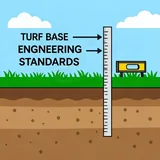
- Deeper excavation so the aggregate layer can be thicker than a standard lawn base.
- Open-graded drainage aggregate rather than a dense road base, because voids are what move liquid away.
- Geotextile separator so fines do not migrate up and clog the stone.
- Graded fall to an outlet, and a clean-out point the owner can reach.
- Perimeter pinning and edge restraint because dogs hit the fence line at speed and lift an unanchored edge.
What pet grass costs in Miami
Published Miami bands put a complete professional installation at 9 to 15 per square foot, and a pet build sits at the top of that, typically 11 to 15 per square foot. Premium pet-grade or high-face-weight material is 5 to 7 per square foot against 2 to 5 for basic residential grass, and the deeper dig and pinned edges are why pet-spec labour runs above the standard 8 to 12 per square foot band. A 400-square-foot dog run is a realistic unit for this market and prices should be quoted on the measured area, not on the lawn you think you have.
Infill choice in a humid market
Silica sand is the standard infill: heavy, cheap and it holds the fibres up. Zeolite and other mineral infills absorb ammonia and are worth the extra cost where a dog uses the same line every day. Crumb rubber is cooler underfoot but is being phased out in some markets on environmental grounds. In South Florida the decision order is drainage first, pet load second, heat third, and the cheapest infill is the wrong place to save.
Maintenance a Miami dog yard actually needs
Rinse the run, pick up solids daily, and brush the pile so the fibres do not matt. In the wet season watch for mould on shaded sections and rinse more often than a dry-climate guide would suggest. After a storm, check the edges and seams, because wind works the perimeter. Published maintenance plans put annual care at a fraction of the cost of maintaining a natural lawn, and much of that gap is water, mowing and disease treatment a South Florida lawn needs anyway.
Frequently asked questions
Will dog urine stain pet-grade artificial grass?
The fibre does not die the way natural grass does. What happens instead is colour drift in high-traffic lines and, more often, an ammonia smell from waste sitting in a base that does not drain. A properly built open-graded base with a positive outlet is the difference.
How much does a pet-grade artificial grass install cost in Miami?
Expect the top of the published Miami band: 11 to 15 per square foot installed. Premium pet-grade material runs 5 to 7 per square foot on its own, and the deeper excavation plus pinned edges put pet-spec labour above the standard labour rate.
Can artificial grass burn a dog in Miami heat?
A full-sun synthetic surface runs well above air temperature on a hot afternoon, and published measurements put dark infill surfaces in the 140 to 160 F range. Lighter infill, shade from planting and a quick hose-down before use reduce it. Test the surface with the back of your hand before letting a dog out at midday.
Do I need HOA approval for a dog yard?
Usually yes. Submit the plot plan, product specification, infill, base and drainage detail and the coverage percentage in writing. Florida law bars a covenant that stops Florida-friendly landscaping, but artificial grass is not named in that statute, so an association can still set appearance and coverage rules.
Related
Sources
- InstallArtificial - artificial grass prices in Miami
- Monster Grass South Florida - cost to install turf in Miami
- Synthetic Grass Warehouse Florida - Miami artificial grass cost page
- National Weather Service Miami-South Florida - wet season and hurricane season
- USDA-NRCS Krome series - the soil mapped across Miami-Dade
- Florida Statutes s. 373.185 - Florida-friendly landscaping and association rules
- Sunshine 811 - Florida one-call notice before digging